How — To achieve it in organizations
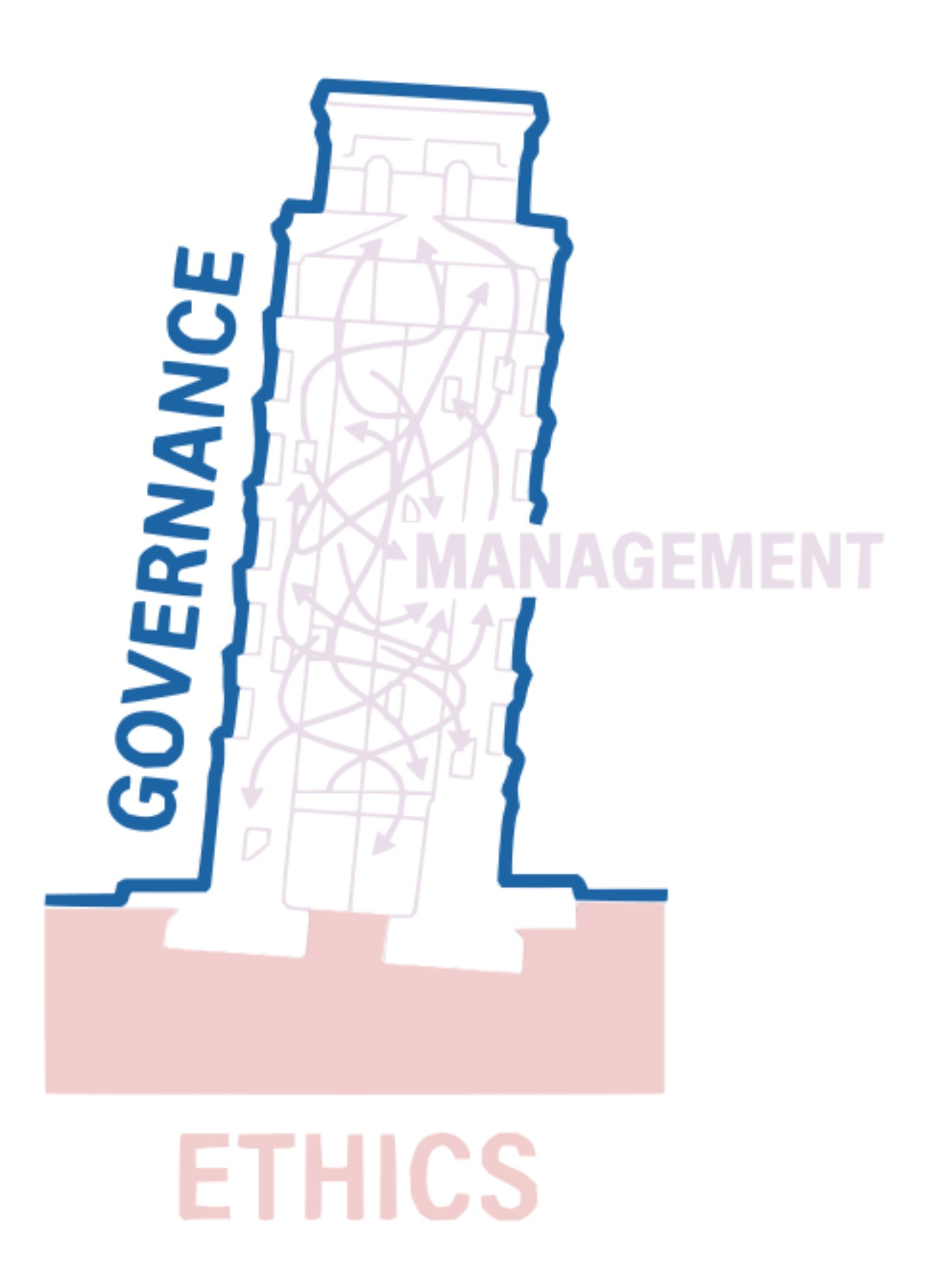
Ethical Governance provides essential infrastructure for effective AI integration. It establishes and maintains the boundaries that effective, sustainable and ethical innovation depend on.
Governance is an AI
integration layer
How ethical management looks through this lens
Ethical Management helps motivate people to abide by governance, and equips them to make better judgment calls in edge cases. Feedback from management is important in how we choose and develop our AI tech stack.
How AI ethics looks through this lens
Ethics provides the basis for policies and procedures, their selection, and their development over time. Ethical baselines are especially useful for establishing and justifying guardrails and disciplinary policies, but that isn’t the whole value of ethics. Ethics also helps us choose and develop our AI tech stack based on our ethical governance strategy.
How the AGF looks through the Governance Lens
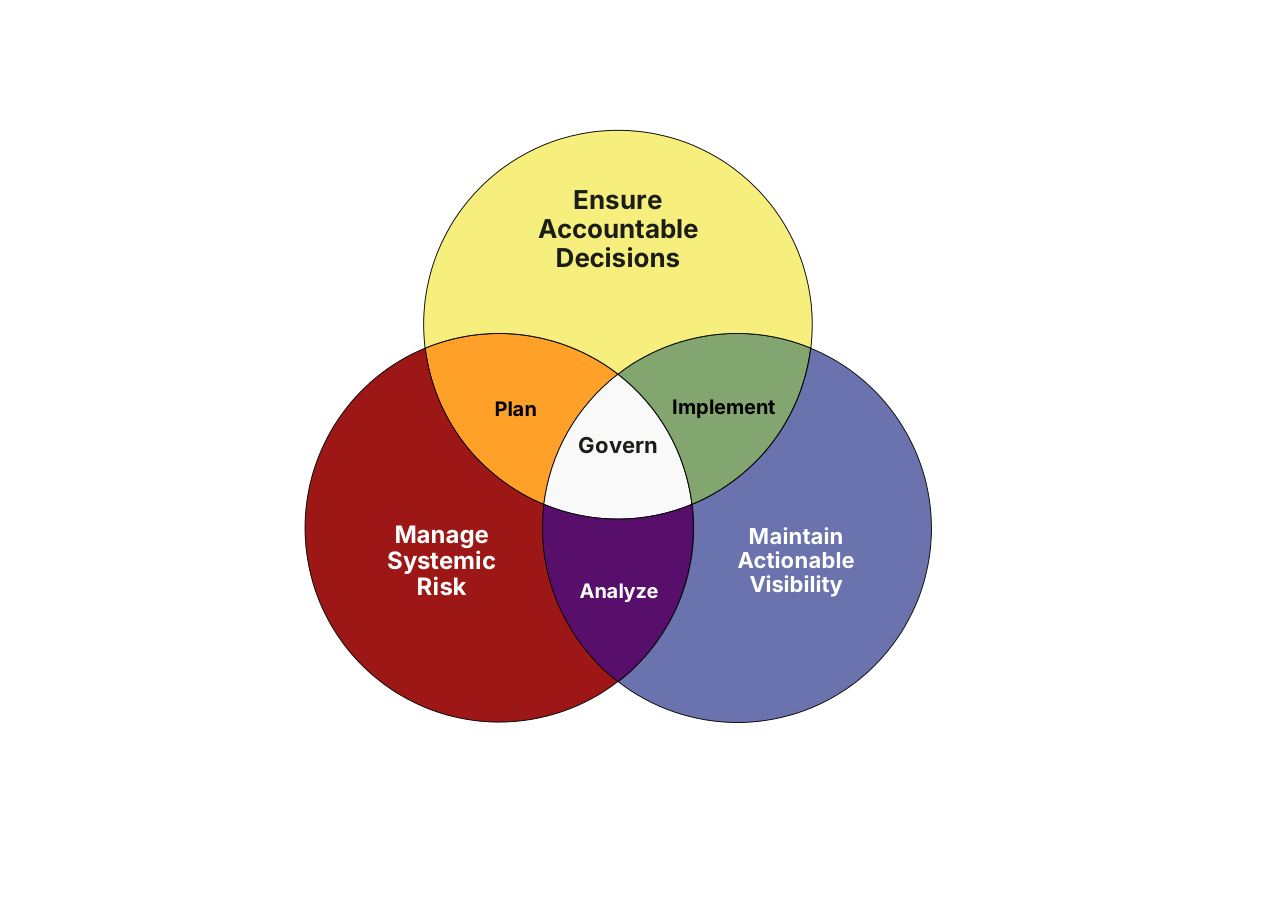
From an ethics perspective, governance is a branch of applied consequentialist ethics. Governance formalizes, in depth, specific aspects of applying our views on what we should do.
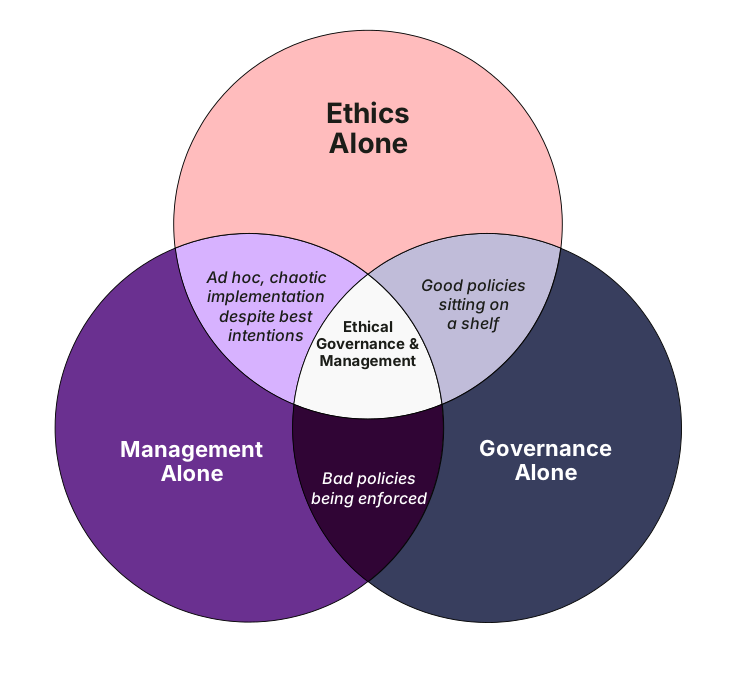
Ethics Alone
Good frameworks without clear ways or means to make them real. Might be ethicswashing: “ethics” just for show.
Management Alone
Ad hoc, chaotic and bad management being practiced. Without ethics or governance, there are no standards to manage toward.
Governance Alone
Bad policies, procedures, risk assessments and decision rules sitting on a shelf. Without ethics, governance has no moral foundation; without management, policies never become practice.
Together: Ethical Governance & Management
When all three work together, ethics provides the foundation, governance coordinates the boundaries and structures, and management makes it real day to day.
A COE for AI ethics, governance and management coordinates, models and supports continuous improvement in ethical governance and management.
The focus of each lens is distinct and needs to be synthesized by the COE.
Governing Ethics, Governance and Management
EGM is a framework for integrating AI ethics with ethical governance and management. It’s designed to be deeply compatible with a wide range of ethics, governance and management systems.
It doesn’t tell you which AI governance system, or management approaches, to use. Instead, it helps you integrate the ethics, governance and management that you already have with new elements that you may choose to integrate, based on a coherent EGM strategy.
The goal is to empower decision makers who will lead your ongoing AI integration to have actionable visibility on ethics, governance and management, and start to cultivate human agency in your AI integration.
Groups can combine Allowance and InTension methods to navigate strategic tensions ethically.
Strategic planning in the governance lens addresses fundamental questions about how much organizations should rely on AI versus human judgment, how to balance innovation with risk management, and how to navigate the tension between efficiency and ethical practice.
The Understanding Group can help you use a combination of Allowance and InTension analysis to address fundamental planning and integration decisions related to your ethical governance and management strategy.
Effective AI governance isn’t about choosing between innovation and caution — it’s about creating the structures that allow both to coexist productively, guided by your group’s ethical commitments and sustained through transparent, accountable decision-making.